Safety Certifications Guiding Payment Preferences in Mobile Environments with Diverse Game Selections and Incentive Programs
Taylor Berger · May 23, 2026
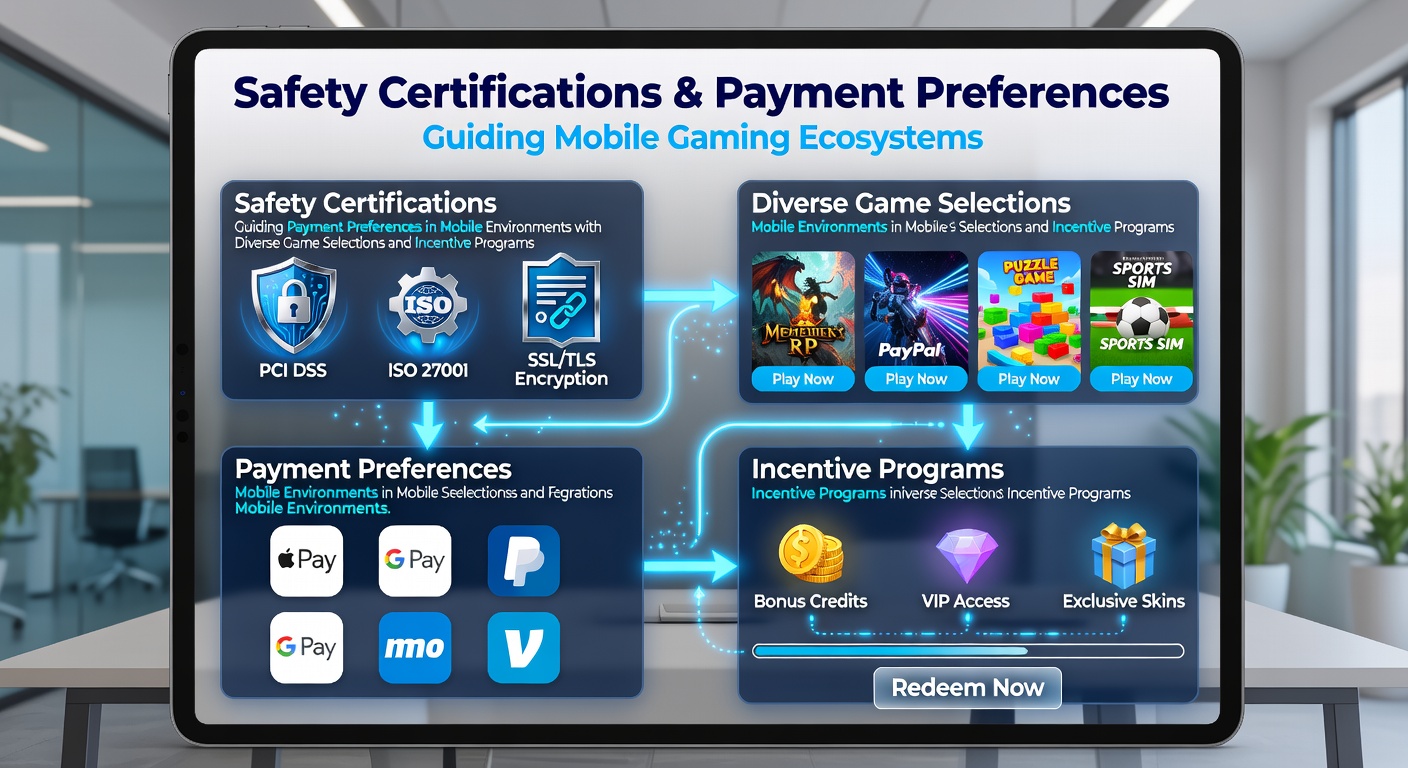
Safety Certifications Guiding Payment Preferences in Mobile Environments with Diverse Game Selections and Incentive Programs
Operators in the mobile gaming sector have increasingly aligned their payment systems with established safety certifications as user adoption grows through 2026. These certifications establish technical benchmarks that shape which transaction methods gain traction among players accessing extensive libraries of slots, table games, and live dealer options paired with structured reward mechanisms. Data from industry monitoring groups indicate that platforms holding multiple accreditations report higher volumes of certified digital wallet activity compared with those relying on fewer verifications.
Certification Frameworks and Their Technical Standards
Organizations such as eCOGRA and iTech Labs evaluate encryption protocols, random number generators, and transaction audit trails before issuing compliance marks. These evaluations extend to payment gateways that process deposits and withdrawals on handheld devices, requiring proof that funds move through segregated accounts and that withdrawal times meet published schedules. When a platform secures these marks, users encounter visible trust seals during checkout that correlate with preferences for methods like instant bank transfers or prepaid vouchers over less documented alternatives. Research compiled by the European Gaming and Betting Association shows that certified environments process a larger share of mobile transactions through verified processors, particularly in markets where regulators reference these third-party audits during licensing reviews.
How Mobile Platforms Translate Certifications into Payment Choices
Payment preferences shift when certifications cover both the gaming software and the financial layer. In May 2026 several operators updated their mobile applications to display certification status next to each available funding option, allowing users to filter methods by security level before selecting a game or activating a bonus. This presentation style has coincided with increased uptake of options that carry additional PCI DSS validation alongside gaming-specific approvals. Observers tracking transaction logs note that environments offering diverse titles, ranging from progressive jackpot slots to multi-hand blackjack variants, retain players longer when the same certification covers both entertainment content and banking tools, reducing friction during deposit sequences tied to promotional offers.
Diverse Game Libraries Supported by Verified Transaction Flows
Game catalogs on certified platforms frequently exceed several thousand titles while maintaining consistent payout reporting standards. Safety accreditations require operators to demonstrate that game outcomes remain independent of payment processing speed, which in turn supports features such as instant bonus crediting after a qualifying deposit. Players navigating these libraries often select payment routes that align with the platform’s overall compliance profile, because those routes trigger automated verification steps that release promotional funds without manual review delays. Figures released through academic studies on digital gambling ecosystems reveal that retention rates improve when game variety and certified payments operate under unified audit frameworks, especially during periods when new incentive structures launch.
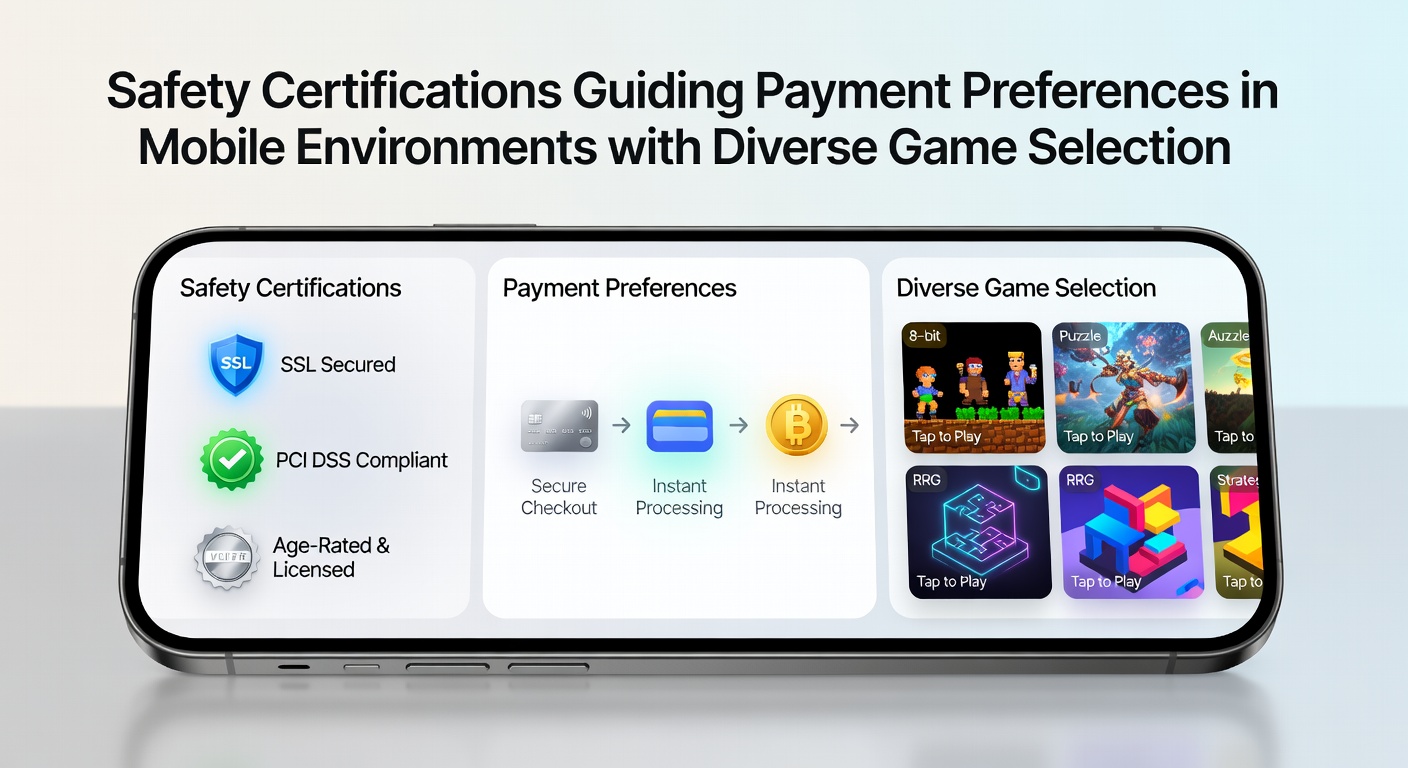
Incentive Programs Linked to Certified Payment Reliability
Bonus structures including deposit matches, free spin packages, and cashback tiers depend on reliable transaction rails that certifications help validate. When a platform advertises these programs, the underlying payment methods must satisfy ongoing testing for speed and reversibility so that players can move winnings back to external accounts without extended holds. Reports from the American Gaming Association highlight that mobile operators incorporating both game diversity and layered reward systems achieve measurable increases in average session length when payment options carry documented security credentials. This pattern holds across regions where licensing bodies accept third-party certification reports as part of compliance submissions.
Regional Regulatory Alignment with Certification Requirements
Different jurisdictions reference certification bodies at varying stages of the approval process. In several Australian states, for instance, regulators require evidence of eCOGRA or equivalent review before permitting certain mobile payment integrations. Canadian provincial frameworks similarly tie licensing renewals to demonstrated adherence to technical standards that cover both gaming engines and financial modules. These alignments create environments where users develop consistent habits around payment selection, favoring methods that appear alongside visible compliance indicators rather than unverified alternatives. The result is a measurable concentration of mobile activity through processors already vetted under the same frameworks that govern game fairness testing.
Conclusion
Safety certifications continue to function as reference points that organize payment preferences within mobile ecosystems containing broad game selections and active incentive programs. As operators maintain multiple accreditations and present them clearly during user journeys, transaction patterns stabilize around methods that satisfy both gaming and financial audit criteria. Ongoing data collection through 2026 will likely clarify how these alignments evolve alongside new device capabilities and regional policy updates.