Mapping Regulatory Compliance Pathways to Reward Accessibility in Portable Platforms Blending Slot Mechanics with Live Interactions
Olivia Simmons · Jun 20, 2026
Mapping Regulatory Compliance Pathways to Reward Accessibility in Portable Platforms Blending Slot Mechanics with Live Interactions
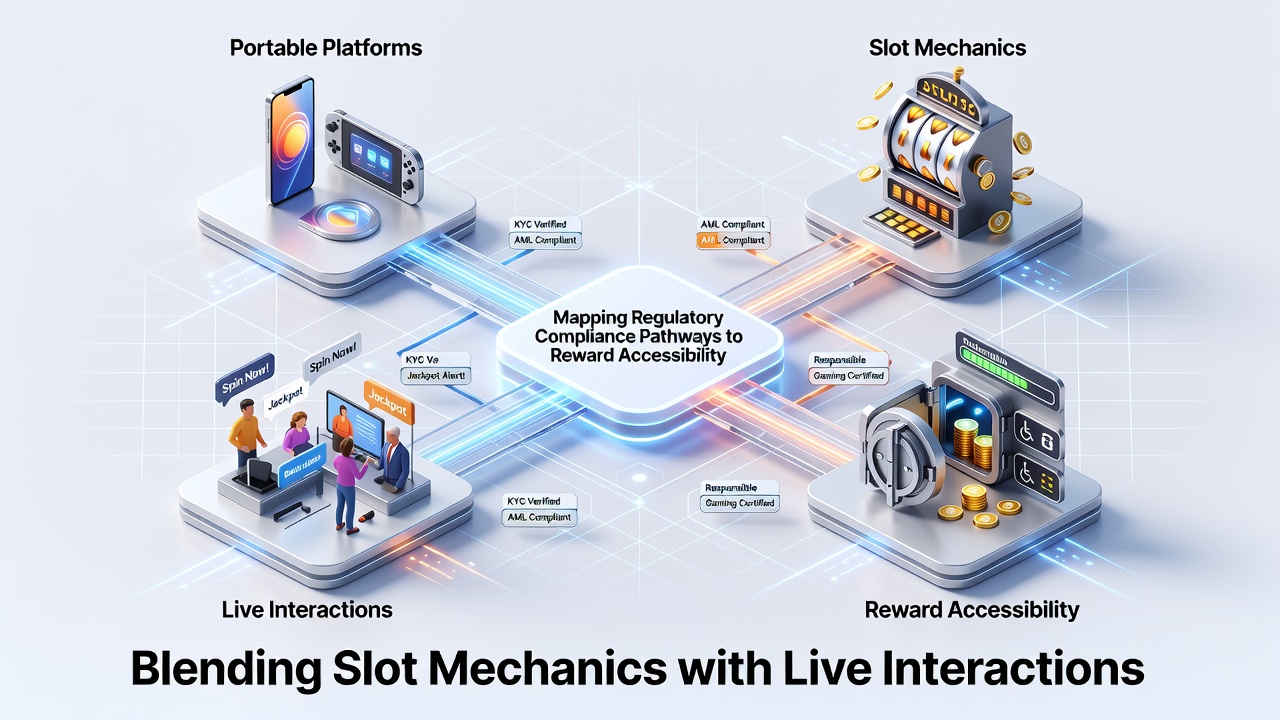
Portable platforms that combine slot mechanics with live dealer interactions continue to expand their reach across multiple jurisdictions, and regulatory compliance pathways now determine how rewards become accessible to users on those systems. Data from industry reports indicate that mobile applications blending automated reel spins with real-time table games must navigate layered approval processes before incentive programs activate for players.
Regulatory Structures Guiding Mobile Integration
Jurisdictions such as Nevada and Ontario maintain separate licensing streams for slot content and live streaming elements, which means operators map compliance steps sequentially before rewards tied to either format can appear in user accounts. The Nevada Gaming Control Board requires separate testing protocols for random number generators used in slots and for the video feed integrity in live sessions, while Ontario's framework adds data residency rules that affect how reward ledgers sync across devices.
Platforms that pass both layers gain clearance to offer combined play sessions where progress in one mechanic influences eligibility for bonuses in the other. Observers note that this sequential mapping reduces delays once initial certifications clear, allowing reward distribution to begin within established timelines rather than through repeated re-submissions.
Pathways Connecting Compliance to Reward Delivery
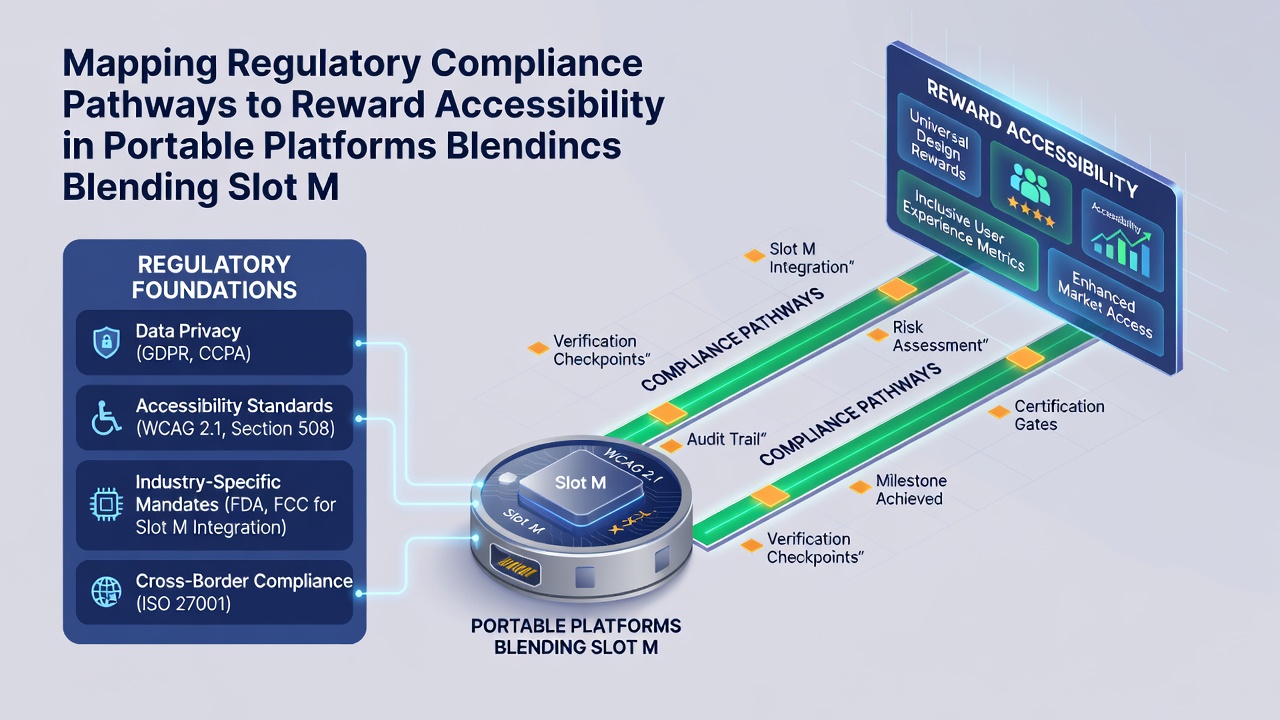
Compliance pathways typically begin with platform audits that verify encryption standards for both transaction data and game outcome logs, after which regulators review how rewards calculate across slot spins and live bet tracking. Once those audits conclude, operators receive authorization to link verified accounts to incentive pools that draw from combined activity metrics.
Research indicates that platforms completing this pathway in the first half of 2026 reported faster reward redemption rates compared with earlier implementations, because pre-approved mapping documents eliminated redundant reviews for each new promotion. June 2026 figures from several state gaming divisions show that operators who filed unified compliance packages for blended mechanics achieved activation windows averaging 14 days shorter than those handling slot and live approvals separately.
Slot and Live Mechanics Under Unified Standards
Blended environments require regulators to evaluate how slot volatility interacts with live table pacing when determining reward multipliers. Standards from the New Jersey Division of Gaming Enforcement specify that any bonus triggered by a slot outcome must remain available even if the user switches to a live session mid-session, which forces platforms to build persistent tracking layers that survive format transitions.
Those tracking layers undergo simulation testing to confirm that reward balances update correctly whether a player completes 50 automated spins or participates in three live hands. Certification bodies in multiple regions now require evidence that reward accessibility does not degrade when users move between the two mechanics, and platforms that demonstrate stable performance across formats receive broader approval for cross-mechanic promotions.
Accessibility Metrics and Verified Networks
Accessibility of rewards depends on verified transaction networks that regulators have already cleared for speed and security. Operators map each reward type to specific network pathways, ensuring that points earned through slot play or live wagers reach user accounts without additional manual intervention once compliance thresholds are met.
Studies from academic gaming research centers reveal that platforms using pre-mapped pathways experience fewer user support tickets related to delayed rewards, because the underlying systems already align with regulatory expectations for both formats. This alignment proves especially relevant when jurisdictions update their technical standards, since operators with documented mapping processes can adapt existing reward structures rather than rebuild them from scratch.
Future Mapping Considerations
As portable platforms continue to evolve, regulators anticipate increased demand for unified compliance documents that cover reward accessibility across slot and live formats in a single submission. Several gaming associations have begun publishing template mapping guides that outline common checkpoints for encryption, identity verification, and outcome logging, which helps operators anticipate documentation needs before filing.
Those guides emphasize that reward accessibility remains tied to ongoing monitoring rather than one-time approval, so platforms maintain audit trails that regulators can review at any point. The process ensures that changes to either slot mechanics or live interaction rules do not inadvertently restrict previously approved rewards.
Conclusion
Mapping regulatory compliance pathways has become central to delivering accessible rewards on portable platforms that blend slot mechanics with live interactions. Jurisdictions continue to refine their approval sequences, and operators that maintain clear documentation of how each compliance step connects to reward systems position themselves to activate incentives more efficiently across evolving technical and legal requirements.