Mapping Jurisdictional Approval Timelines to Diversified Banking Integrations Across Apps That Merge Chance-Based Reels with Broadcasted Dealer Sessions
Olivia Simmons · Jul 11, 2026
Mapping Jurisdictional Approval Timelines to Diversified Banking Integrations Across Apps That Merge Chance-Based Reels with Broadcasted Dealer Sessions
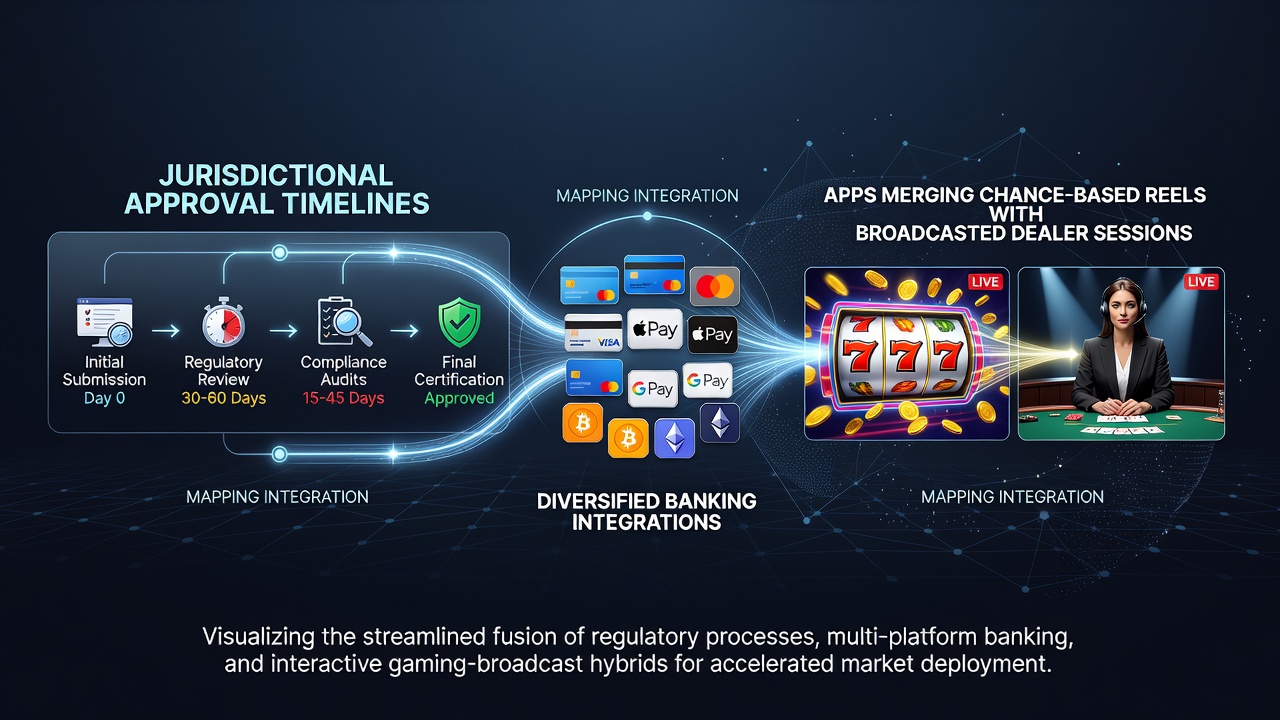
Regulatory bodies across multiple regions establish approval timelines that directly influence how quickly mobile applications can incorporate varied banking options alongside games that combine random reel outcomes with streamed table interactions. These processes require developers to align technical specifications for payment gateways with jurisdictional standards before platforms launch or expand features. Data from industry reports shows that timelines often stretch from several months to over a year depending on the complexity of the requested integrations and the number of payment providers involved.
Key Jurisdictional Frameworks and Their Timelines
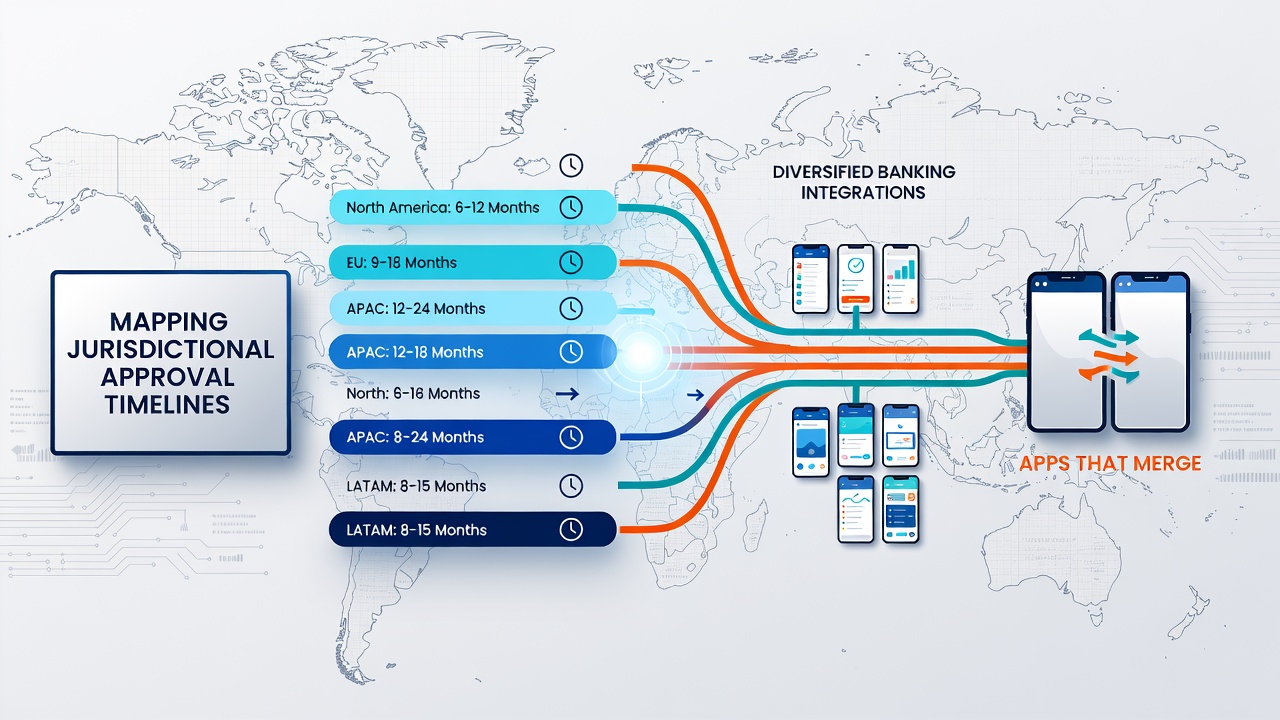
Authorities in the United States such as the Nevada Gaming Control Board maintain structured review periods that typically span 90 to 180 days for initial platform certifications involving both chance-based mechanics and live broadcast elements. European regulators including the Malta Gaming Authority apply phased assessments where banking integrations receive separate scrutiny after core game approvals clear initial checks. Observers note that these staggered evaluations create bottlenecks when operators seek to add multiple transaction methods simultaneously.
Australian state commissions coordinate with federal oversight bodies to evaluate similar applications, and their combined processes often extend timelines further when cross-border data handling comes into play. Research indicates that jurisdictions with dedicated fintech review teams shorten approval windows by an average of 30 percent compared to those relying on general gaming staff for all assessments.
Banking Integration Patterns in Hybrid Gaming Apps
Applications that blend reel-based games with dealer sessions streamed in real time must route player funds through systems that satisfy both financial regulations and gaming-specific rules. Common integrations include traditional card processors alongside digital wallets and bank transfers, each requiring separate documentation during approval stages. Figures from payment industry analyses reveal that platforms supporting three or more methods experience 25 percent longer review periods than those limited to single-channel options.
Impact of Approval Delays on Feature Rollouts
Extended timelines force development teams to prioritize certain banking partners over others, which restricts user choices during early platform stages. One case examined by researchers at a European university highlighted an operator that postponed wallet integrations for six months while awaiting final sign-off on live session protocols. Such delays affect revenue streams because diversified payment options correlate with higher retention rates in markets where users expect flexible deposit and withdrawal paths.
July 2026 Developments in Regulatory Coordination
Scheduled updates to cross-jurisdictional data sharing agreements take effect in July 2026, and these changes aim to standardize certain documentation requirements for banking integrations. Regulators in North America and parts of Asia have signaled plans to align review criteria for hybrid gaming applications, which could reduce redundant testing phases. Industry associations tracking these shifts report that operators already preparing unified compliance packages stand to benefit from shorter overall timelines once the new protocols activate.
Studies conducted by academic groups in Canada project that synchronized approval pathways will allow faster deployment of additional transaction networks in apps offering both reel mechanics and broadcasted dealer formats. Yet the transition period itself may introduce temporary slowdowns as agencies adjust internal workflows to the revised standards.
Technical Requirements Driving Extended Reviews
Security protocols for real-time dealer streams demand encryption standards that sometimes overlap with those required for financial data transmission, creating dual-review scenarios. Payment providers must demonstrate compatibility with gaming servers located in approved jurisdictions, and this verification step adds layers to the approval map. Evidence collected by trade organizations shows that applications combining these elements face an average of four additional compliance checkpoints compared to standalone slot or table platforms.
Developers often submit modular documentation that separates game certification from payment integration reviews, yet regulators retain discretion to request combined audits when system architectures appear tightly coupled. Those who've navigated multiple submissions note that early engagement with banking partners during the design phase helps map potential friction points before formal applications begin.
Conclusion
Jurisdictional approval timelines continue to shape the pace at which diversified banking features reach users of applications that merge chance-based reels with broadcasted dealer sessions. Coordinated efforts scheduled for July 2026 represent one attempt to streamline these processes across borders while maintaining oversight standards. Operators and developers track these developments closely because payment integration speed directly affects platform competitiveness in regulated markets.