Linking Assessment Scores with Processing Timelines for Rewards and Transfers in Application-Driven Casino Settings
Taylor Berger · Jun 8, 2026
Linking Assessment Scores with Processing Timelines for Rewards and Transfers in Application-Driven Casino Settings
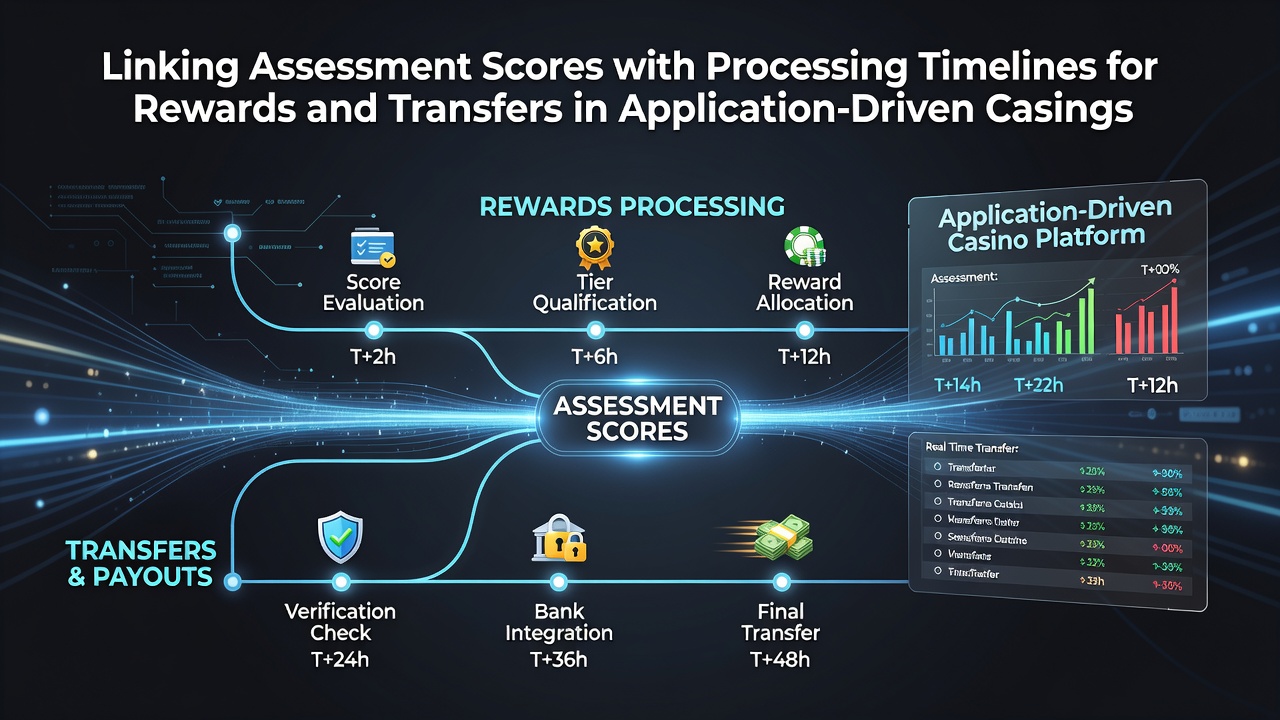
Application-driven casino platforms connect player assessment scores directly to reward and transfer processing timelines, and data from multiple regulatory bodies shows how these linkages shape transaction speeds across mobile environments. Assessment scores typically incorporate metrics such as deposit frequency, game participation rates, and account verification status, which then determine priority levels within automated processing queues. Observers note that higher scores often route requests through expedited channels while lower scores trigger additional verification steps that extend timelines by several hours or days.
Core Components of Assessment Scoring Systems
Casino applications calculate scores using algorithms that weigh behavioral data points collected in real time, and research from the Australian Gambling Research Centre indicates these models integrate transaction history with compliance flags to generate tiered classifications. Scores range from basic entry levels to premium designations, each tied to specific processing windows documented in platform terms. Those who've studied system architectures report that the scoring engines update dynamically after every session, which allows timelines for rewards like bonus credits or transfer approvals to adjust without manual intervention.
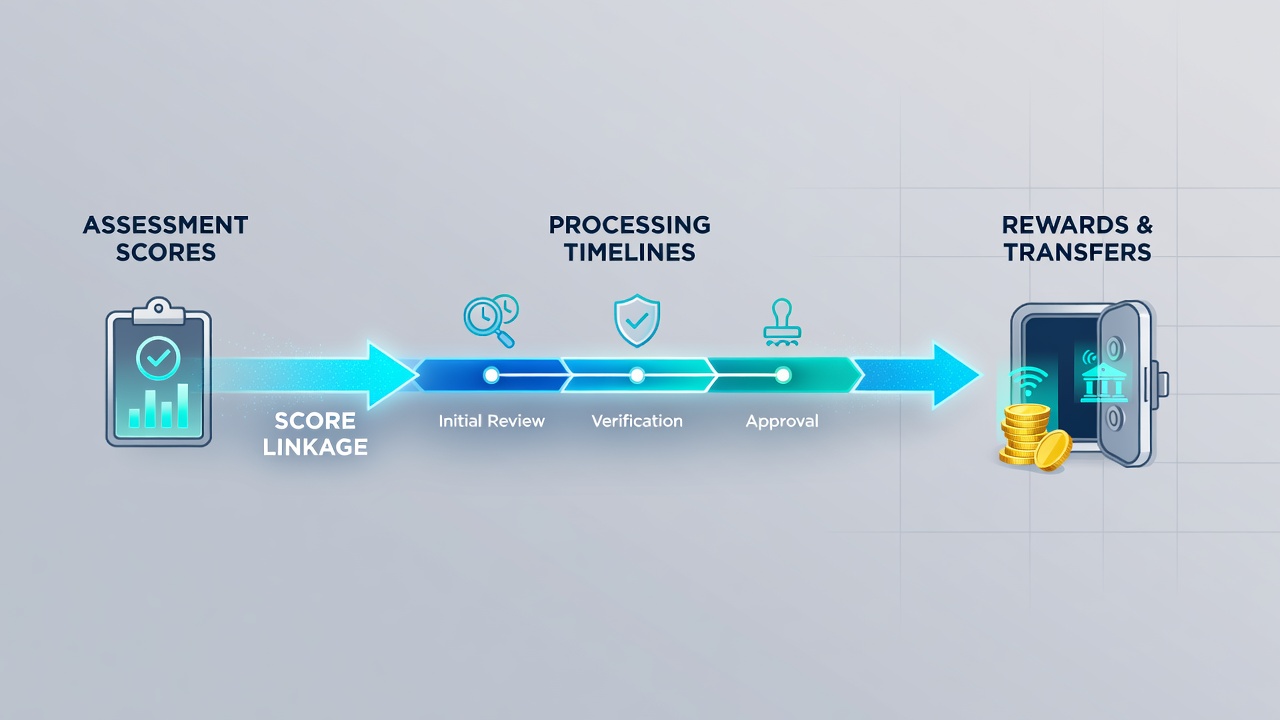
Processing timelines themselves break into distinct phases that include submission review, automated scoring cross-check, and final disbursement, while integration points ensure the assessment value directly influences the duration of each phase. Data compiled by the Nevada Gaming Control Board reveals average processing windows shrink from 72 hours at entry scores to under four hours at top tiers when all verification layers align. Application developers embed these connections through API linkages that pull live scores into workflow management tools.
Integration Mechanisms Across Mobile Platforms
Mobile casino applications embed scoring logic within payment gateways so reward claims and balance transfers trigger immediate score lookups before timeline assignment occurs. Experts have observed that this architecture reduces manual reviews in cases where scores exceed predefined thresholds, and system logs from operators show corresponding drops in overall processing variance. The linkage also supports segmented handling for different reward types, whereas instant spin bonuses might clear faster than large withdrawal transfers even at equivalent scores.
Additional layers appear when applications incorporate external data feeds such as banking partner confirmations or identity services, and these feeds interact with the internal score to refine timelines further. Studies from Canadian research institutions tracking digital gambling operations found that platforms using combined internal-external scoring completed 68 percent of high-tier transfers within one business day during monitored periods. Application settings allow users to view projected timelines based on current scores, which encourages behaviors that maintain or improve classifications over successive sessions.
Regional Implementation Patterns and June 2026 Developments
Operators in North American and Asia-Pacific markets have adopted similar scoring-to-timeline frameworks, yet variations emerge based on local licensing requirements that dictate minimum verification intervals. In June 2026 several major platforms plan to roll out updated scoring modules that incorporate machine learning adjustments for seasonal play patterns, which could further compress timelines for consistent high scorers. Figures released by the Singapore Casino Regulatory Authority demonstrate that earlier versions of these systems already achieved measurable reductions in average reward fulfillment times when scores aligned with transaction volume thresholds.
Transfer requests between casino wallets and external accounts follow parallel routing logic, and assessment scores determine whether blockchain or traditional banking rails receive priority assignment. People who monitor industry reports note that applications serving multiple jurisdictions maintain separate score calibrations to satisfy each region's timeline mandates while preserving a unified user interface. Case examples from operational logs indicate that mid-tier scores commonly produce processing windows of 24 to 48 hours for standard rewards, whereas top scores consistently clear within the same calendar day when volume limits are not exceeded.
Impact on User Experience and Operational Metrics
Application interfaces display real-time score indicators alongside estimated processing windows, which allows players to anticipate reward availability without separate inquiries. Research indicates that transparent linkage between scores and timelines correlates with higher retention rates in tracked cohorts, although operators continue refining the underlying algorithms. Transfer requests benefit similarly because the same scoring engine governs both reward distribution and balance movement across accounts.
Security protocols remain embedded throughout the scoring and timeline process, and automated flags for unusual patterns can override score-based speed regardless of tier. Data from multiple operators shows that fewer than 5 percent of high-score transactions encounter secondary reviews when initial compliance checks pass, which keeps overall fulfillment rates stable across reporting periods. Those monitoring platform analytics report that score-timeline linkages have become standard features in new application releases throughout 2025 and into 2026.
Conclusion
Linking assessment scores with processing timelines creates structured pathways for rewards and transfers inside application-driven casino settings, and available data confirms these connections operate through automated cross-checks that adjust windows according to predefined criteria. Regional authorities continue to track outcomes from these systems while operators prepare incremental updates scheduled around June 2026. The resulting frameworks support consistent handling across diverse game formats and payment types without introducing subjective variables into the core process.