How Assessment Criteria Connect Incentive Availability with Reliable Funding Options Across Slot and Table Game Formats
Olivia Simmons · Jun 27, 2026
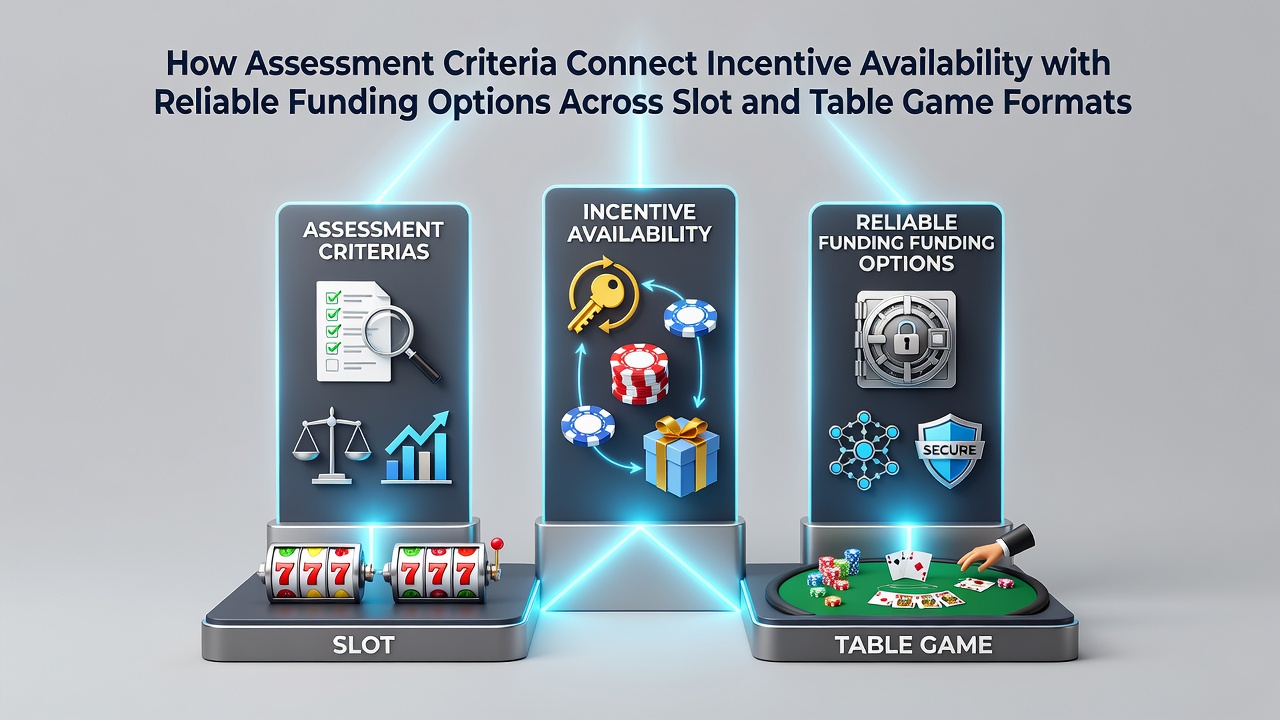
How Assessment Criteria Connect Incentive Availability with Reliable Funding Options Across Slot and Table Game Formats
Assessment criteria serve as the backbone for determining which players gain access to incentives while also verifying the stability of funding mechanisms used in both slot and table game environments, and operators apply these standards consistently to maintain compliance across formats. These criteria typically include player history metrics, transaction reliability scores, and game-specific participation data that together shape eligibility for rewards such as deposit matches or cashback programs.
Core Components of Assessment Frameworks
Operators evaluate several measurable factors before releasing incentives, and these evaluations rely on data points like average bet size, session duration, and deposit consistency that apply equally to reel-based slots and live table interactions. Slot formats often receive weighting toward volume metrics because of their high-frequency play patterns, whereas table games emphasize decision-based engagement records that reflect strategic risk management. Data from the American Gaming Association shows that integrated scoring systems help synchronize incentive releases with verified payment rails, reducing delays in both digital wallet transfers and traditional banking options.
Verification layers examine source-of-funds documentation alongside behavioral patterns, which creates a direct pathway from assessment results to available funding choices. When scores meet predefined thresholds, players unlock tiered incentives that function across game types, and the same thresholds govern access to faster settlement options such as instant e-wallet payouts or scheduled bank transfers.
Incentive Linkages in Slot Environments
Slot-specific incentives frequently tie to reel spin counts and progressive jackpot contributions, with assessment algorithms tracking these activities to confirm funding method reliability before bonus activation. Reliable funding options here include prepaid card reloads and cryptocurrency channels that operators pre-approve through risk-scoring protocols, and June 2026 regulatory updates in several North American jurisdictions are expected to standardize these approval timelines further. Players who maintain consistent deposit patterns receive accelerated incentive availability, while the underlying funding rails remain subject to ongoing monitoring that prevents mismatches between reward eligibility and transaction security.
Assessment Application in Table Game Settings
Table game formats incorporate additional variables such as hand frequency and decision accuracy into their assessment models, which in turn determine when incentives become accessible through established funding pathways. Live dealer platforms use these scores to authorize table-side comps that convert into deposit credits or withdrawal privileges, and observers note that this process maintains parity with slot-based systems even though gameplay tempos differ. Research from the Australian Institute of Criminology indicates that unified criteria across formats reduce administrative friction and support seamless movement between game categories without resetting funding verification status.
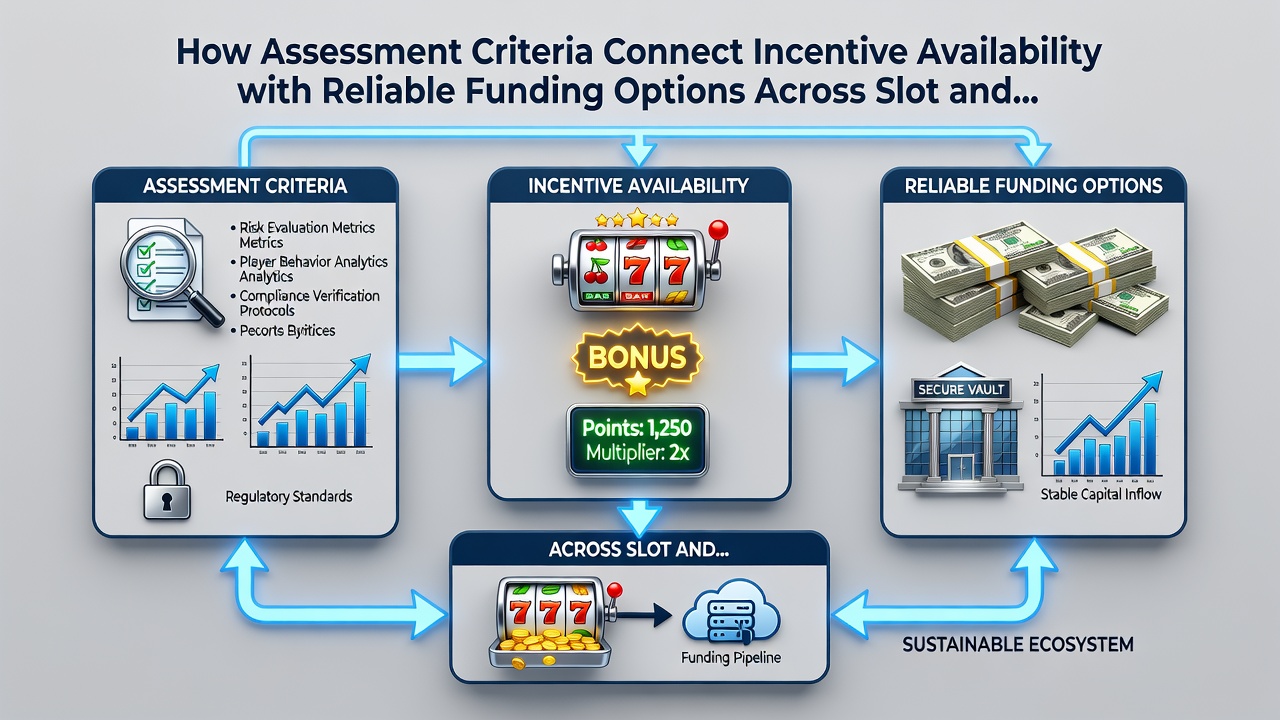
Funding options validated through these assessments commonly encompass regional banking networks and licensed payment processors that meet jurisdiction-specific standards, and the criteria ensure these methods remain available regardless of whether the player shifts from slots to tables mid-session.
Cross-Format Integration and Funding Reliability
Integrated platforms apply assessment criteria uniformly so that incentive availability and funding security travel with the player across slot and table selections, and this approach minimizes the need for repeated verifications. When a player achieves a qualifying score in one format, the system carries that status forward, allowing immediate use of pre-approved funding instruments in the other format. Industry reports compiled by the European Gaming and Betting Association highlight that such connectivity improves operational efficiency while preserving the integrity of incentive distribution rules.
June 2026 brings scheduled reviews of cross-border transaction protocols in multiple regions, and these reviews focus on aligning assessment thresholds with emerging payment technologies that support both high-volume slot play and measured table game sessions. Operators already prepare by mapping existing criteria onto new compliance checklists, which ensures funding options stay reliable during the transition period.
Conclusion
Assessment criteria function as the connective tissue between incentive programs and dependable funding mechanisms, delivering consistent outcomes whether players engage slot mechanics or table game strategies. Continued refinement of these systems, including adaptations scheduled around June 2026, supports stable access to rewards and payment solutions across diverse gaming formats while meeting regulatory expectations in multiple jurisdictions.