Examining Encryption Standards That Enable Rapid Transactions for Mobile Users Engaging Slots and Live Tables
Viktor Peters · May 16, 2026
Examining Encryption Standards That Enable Rapid Transactions for Mobile Users Engaging Slots and Live Tables
Encryption standards form the backbone of secure mobile transactions in digital gaming environments where users access slots and live tables through handheld devices, and these protocols balance speed with protection against unauthorized access. Data from industry reports show that mobile casino activity has grown steadily since 2023, with transaction volumes rising as operators adopt updated cryptographic methods that reduce latency while maintaining compliance with payment regulations.
Core Encryption Protocols in Mobile Gaming
TLS 1.3 stands out among current standards because it streamlines the handshake process between user devices and casino servers, cutting connection times compared to earlier versions. Researchers at the National Institute of Standards and Technology have documented how this protocol eliminates unnecessary round trips during key exchanges, allowing players to complete deposits or withdrawals in seconds rather than minutes when engaging with reel-based games or real-time dealer tables. AES-256 encryption then secures the actual transaction payloads, wrapping card details and account transfers in layers that resist brute-force attempts without adding noticeable delays on modern smartphones.
Mobile-Specific Adaptations for Speed
Network variability poses a constant challenge for mobile users who shift between Wi-Fi and cellular connections during gameplay sessions. Developers integrate certificate pinning and session resumption techniques that reuse prior cryptographic parameters, which prevents full renegotiations each time a player spins reels or places bets at live tables. Studies from the Australian Cyber Security Centre indicate that these optimizations have lowered average transaction failure rates by measurable margins in tested markets, particularly where users rely on 5G infrastructure for uninterrupted access.
Payment gateways further align with these standards by supporting tokenization that replaces sensitive data with unique identifiers valid only for single sessions. This approach keeps processing times short while satisfying requirements from financial oversight bodies across multiple jurisdictions, and operators report smoother integration when users switch between slots with quick-spin features and live dealer streams that demand real-time balance updates.
Differences in Transaction Handling for Slots and Live Tables
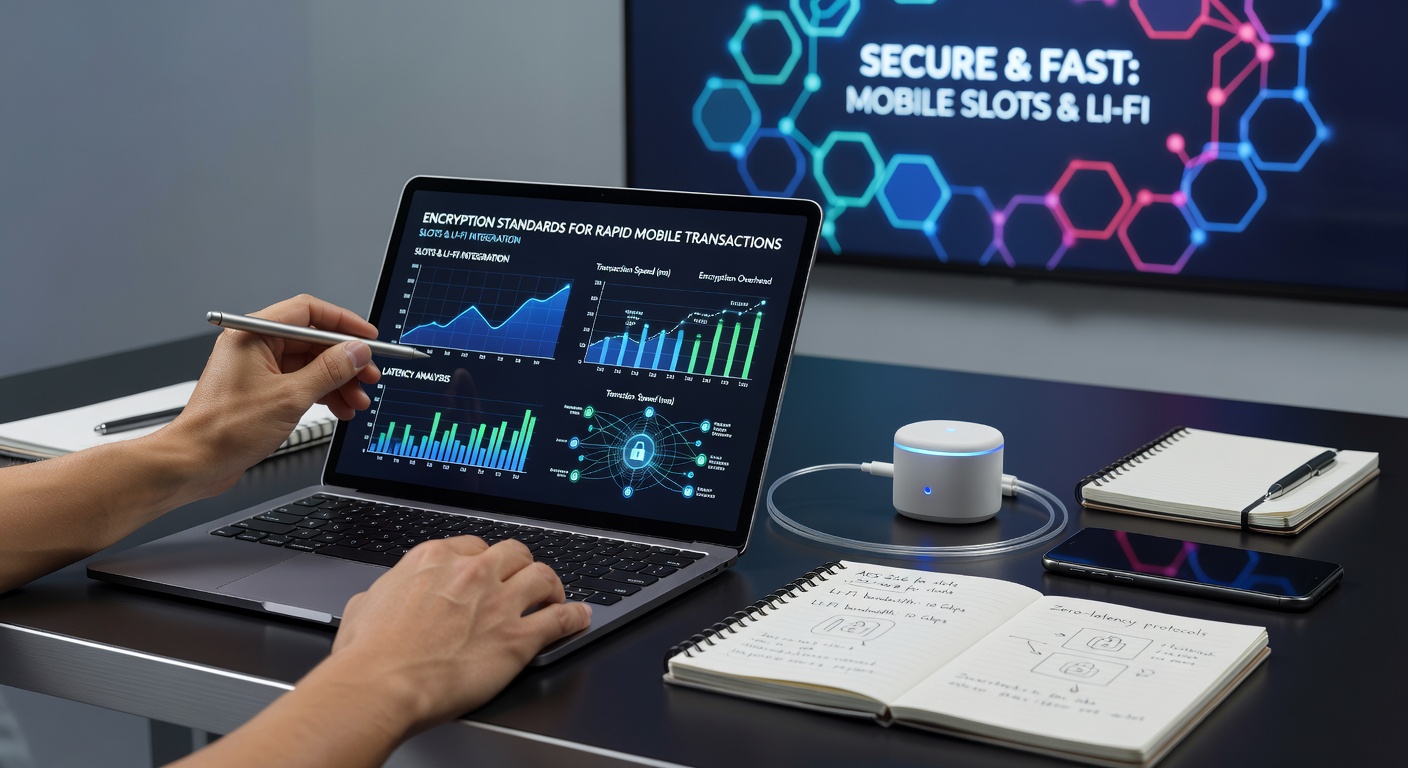
Slots typically generate frequent small-value transactions during bonus rounds and auto-play sequences, so encryption layers must handle bursts of activity without queuing delays. Live table environments introduce additional complexity because each bet or payout decision occurs in real time, requiring continuous encrypted channels between the player's device and the dealer interface. Protocols that support perfect forward secrecy ensure that even if one session key becomes compromised, past and future exchanges remain protected, a feature that has gained wider adoption ahead of anticipated regulatory reviews in May 2026.
Observers note that hybrid models combining hardware security modules on the server side with software-based cryptography on mobile applications deliver consistent performance across both game types. Data indicates that platforms using these combined methods process live table wagers with latency under 200 milliseconds in controlled tests, matching the responsiveness users expect from slot interfaces while preserving end-to-end confidentiality.
Regulatory Alignment and Emerging Updates
Compliance frameworks in North America and Europe continue to reference evolving cryptographic guidelines that emphasize both security strength and operational efficiency. As of May 2026, several operators have begun rolling out support for post-quantum resistant algorithms in pilot programs, preparing mobile platforms for potential shifts in threat landscapes without disrupting current transaction flows. These transitions occur alongside refinements to existing TLS implementations, allowing rapid settlements for winnings from progressive jackpot slots or high-stakes live blackjack tables.
Industry analyses reveal that encryption overhead accounts for less than five percent of total processing time in optimized mobile casino systems, a figure that reflects careful selection of cipher suites and key lengths. Users benefit from these efficiencies through instant confirmation screens after each transfer, whether funding a slot session or cashing out from a live roulette table.
Conclusion
Encryption standards such as TLS 1.3 and AES-256 enable the combination of speed and security that mobile users require when participating in slots and live table games. Continued refinement of these protocols, guided by technical bodies and regulatory expectations, supports expanding transaction volumes while addressing the unique demands of handheld environments through 2026 and beyond.