Decoding Authentication Pathways That Connect Verified Compliance Seals to Varied Reward Access in Portable Reel and Interaction Formats
Ellis Neumann · Aug 1, 2026
Decoding Authentication Pathways That Connect Verified Compliance Seals to Varied Reward Access in Portable Reel and Interaction Formats
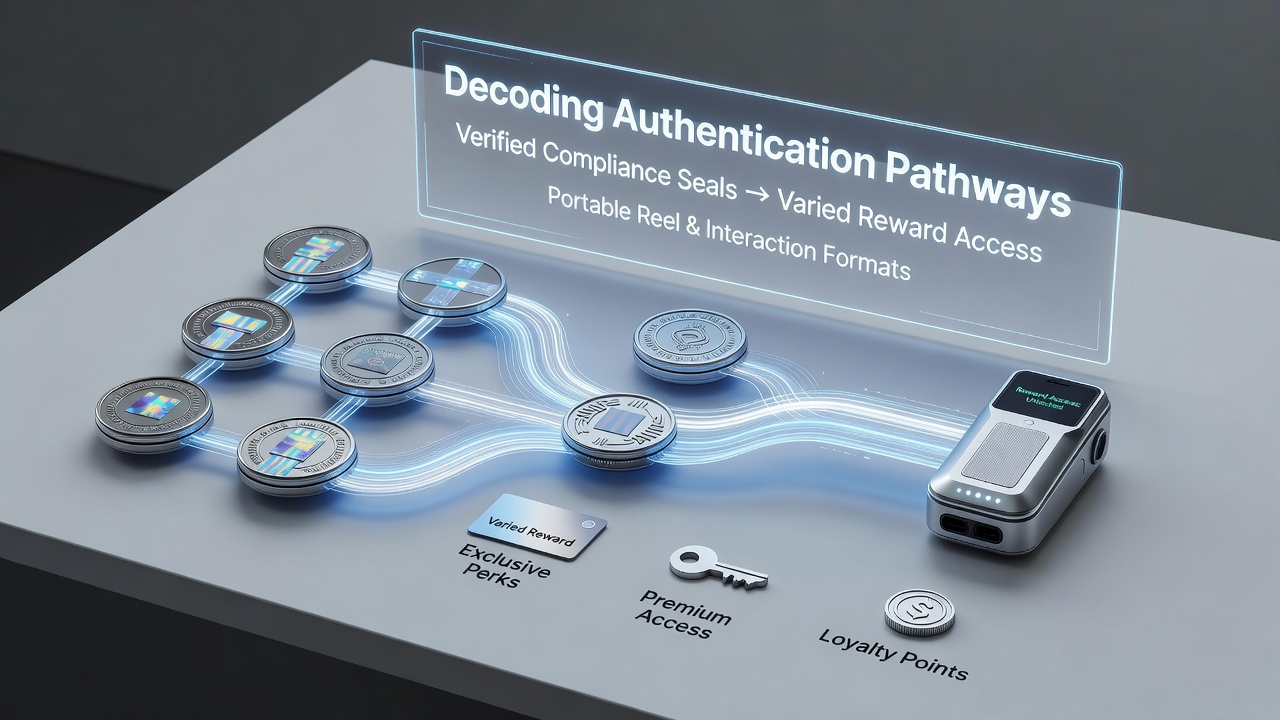
Authentication pathways in portable gaming platforms link verified compliance seals directly to reward access mechanisms that span reel-based slots and live interaction formats, and these connections rely on layered security protocols that regulators and platform operators maintain across multiple jurisdictions. Data from industry reports shows that mobile users encounter these pathways when they initiate sessions through apps or browsers, where initial device verification feeds into broader compliance checks before any rewards become available.
Verified Compliance Seals and Their Role in Mobile Environments
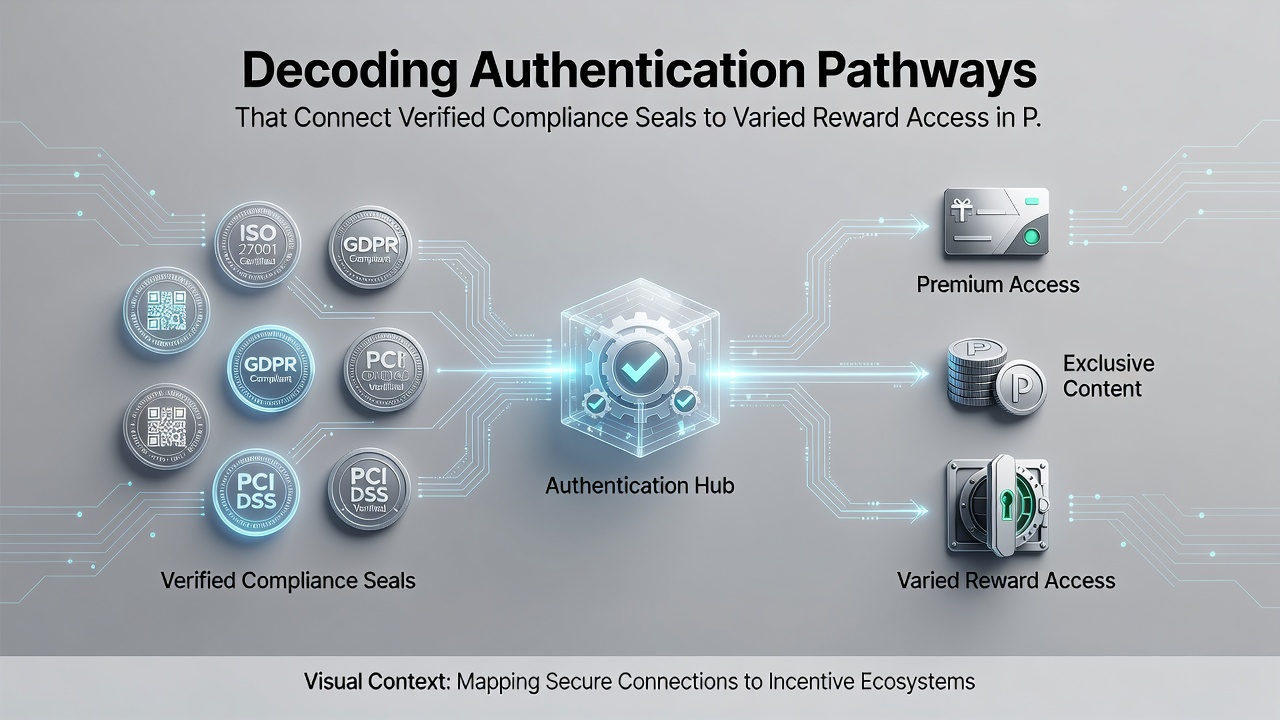
Compliance seals such as those issued under standards from the Nevada Gaming Control Board and similar bodies in other regions establish baseline requirements for data encryption, transaction integrity, and game fairness in handheld casino applications. These seals appear on platform interfaces as visual markers that confirm adherence to testing criteria, yet the real function emerges when authentication systems read the seal data to unlock tiered reward structures. Observers note that platforms integrate these seals into backend databases so that reward eligibility checks can reference the certification status in real time.
Studies conducted by academic researchers at institutions focused on gaming technology indicate that seals covering payment processing and random number generation create the foundation for varied access levels, including free spins on reel games and entry into live table tournaments. The process flows through API calls that query the seal database during login, which then routes users toward reward menus only after verification succeeds.
Pathways from Authentication to Reward Distribution
Authentication begins with multi-factor elements that include device fingerprinting, biometric confirmation, and token-based session management, all of which feed into centralized compliance ledgers. Once these layers confirm the presence of active seals, the system grants access to reward pools that differ by game type, with reel formats often tied to spin multipliers and live interaction formats connected to loyalty point accrual. Figures reveal that this routing occurs within milliseconds, allowing seamless transitions between slot sessions and dealer-hosted tables without separate logins.
What's notable is how platforms segment reward access based on seal categories, so a seal focused on financial transactions might enable instant bonus redemptions while a game fairness seal opens progressive jackpot entries. In August 2026, several operators updated their mobile dashboards to display seal status alongside reward timers, reflecting ongoing refinements in how authentication data drives user progression through incentive programs.
Integration Across Reel and Live Interaction Formats
Reel mechanics in portable environments typically require authentication that validates both the compliance seal and the user's reward history before distributing outcomes such as bonus rounds or cashback percentages. Live interaction formats add another dimension because they involve real-time dealer connections, where authentication pathways must also confirm bandwidth security and participant eligibility to prevent disruptions during table play. Researchers have documented cases where unified authentication frameworks allow rewards earned on slots to transfer automatically into live game buy-ins, creating continuous engagement loops across format types.
One case highlighted by platform analytics teams shows that users who complete seal-verified authentication sequences access combined reward dashboards 30 percent faster than those navigating separate verification steps. This efficiency stems from modular token systems that carry compliance metadata forward through each game switch, reducing redundant checks while preserving audit trails for regulatory review.
Regulatory Influences on Pathway Design
Regulatory frameworks in North America and Australia shape how authentication pathways incorporate compliance seals, with bodies requiring periodic recertification that directly affects reward availability timelines. Data indicates that when seals undergo renewal, platforms temporarily pause certain reward redemptions until fresh verification completes, a safeguard that maintains system integrity across reel and table offerings. Industry organizations have published guidelines that encourage standardized token formats so that cross-border users encounter consistent reward access regardless of their location.
Yet the ball remains in operators' court to implement these pathways without introducing friction that could limit participation in diverse game selections. Reports from the Alcohol and Gaming Commission of Ontario detail how integrated authentication reduces error rates in reward distribution by cross-referencing seal data against transaction logs in a single workflow.
Conclusion
Authentication pathways that connect verified compliance seals to reward access continue to evolve as mobile platforms refine their handling of reel and live interaction formats, with each advancement building on established security layers. Evidence from regulatory updates and technical studies demonstrates that these connections support varied access methods while upholding transaction reliability and game fairness standards. As operators incorporate new certification requirements, the underlying pathways will likely expand to accommodate additional reward types without compromising teh verification processes already in place.